
Part One : The Narration and its Consequences
Part Two : Those who authenticated this Hadith
Part Three : Why They Weakened It and the Status of Ali Ibn Ja’far
Part Four : Ruling on the Mastoor Narrator
Welcome to our blog! In this article, we examine the narration, highlighting the great merit of loving the Ahl al-Bayt and the account of how narrating this hadith led to being flogged 1,000 lashes. We also present a list of scholars who authenticated the narration, discuss the status of Sayyid Ali Ibn Ja’far in Sunni books, and concisely explore the concept of a Mastoor Rawi.
Part One : The Narration and Its Consequences ⚖️
1) Abu Eesa al-Tirmidhi narrated :
حَدَّثَنَا نَصْرُ بْنُ عَلِيٍّ الْجَهْضَمِيُّ، قَالَ حَدَّثَنَا عَلِيُّ بْنُ جَعْفَرِ بْنِ مُحَمَّدِ بْنِ عَلِيٍّ، قَالَ أَخْبَرَنِي أَخِي، مُوسَى بْنُ جَعْفَرِ بْنِ مُحَمَّدٍ عَنْ أَبِيهِ، جَعْفَرِ بْنِ مُحَمَّدٍ عَنْ أَبِيهِ، مُحَمَّدِ بْنِ عَلِيٍّ عَنْ أَبِيهِ، عَلِيِّ بْنِ الْحُسَيْنِ عَنْ أَبِيهِ، عَنْ جَدِّهِ، عَلِيِّ بْنِ أَبِي طَالِبٍ
Nasr Ibn Ali al-Jahdami narrated from Ali Ibn Ja’far al-Sadiq who narrated from his brother Musa al-Kadhim who narrated from his father Ja’far al-Sadiq who narrated from his father Muhammad al-Baqir who narrated from his father Ali Ibn al-Husayn Zayn al-Abideen who narrated from his father al-Husayn Ibn Ali who narrated from Imam Ali Ibn Abi Talib that :
أَنَّ رَسُولَ اللَّهِ ﷺ أَخَذَ بِيَدِ حَسَنٍ وَحُسَيْنٍ فَقَالَ مَنْ أَحَبَّنِي وَأَحَبَّ هَذَيْنِ وَأَبَاهُمَا وَأُمَّهُمَا كَانَ مَعِي فِي دَرَجَتِي يَوْمَ الْقِيَامَةِ
Rasul-Allah ﷺ held the hand of Imam Hasan & Imam Hussain and said : ‘Whoever loves me and loves these two, and their father and mother, they shall be with me on my level on the Day of Judgement.’
~Jami` at-Tirmidhi, 4084
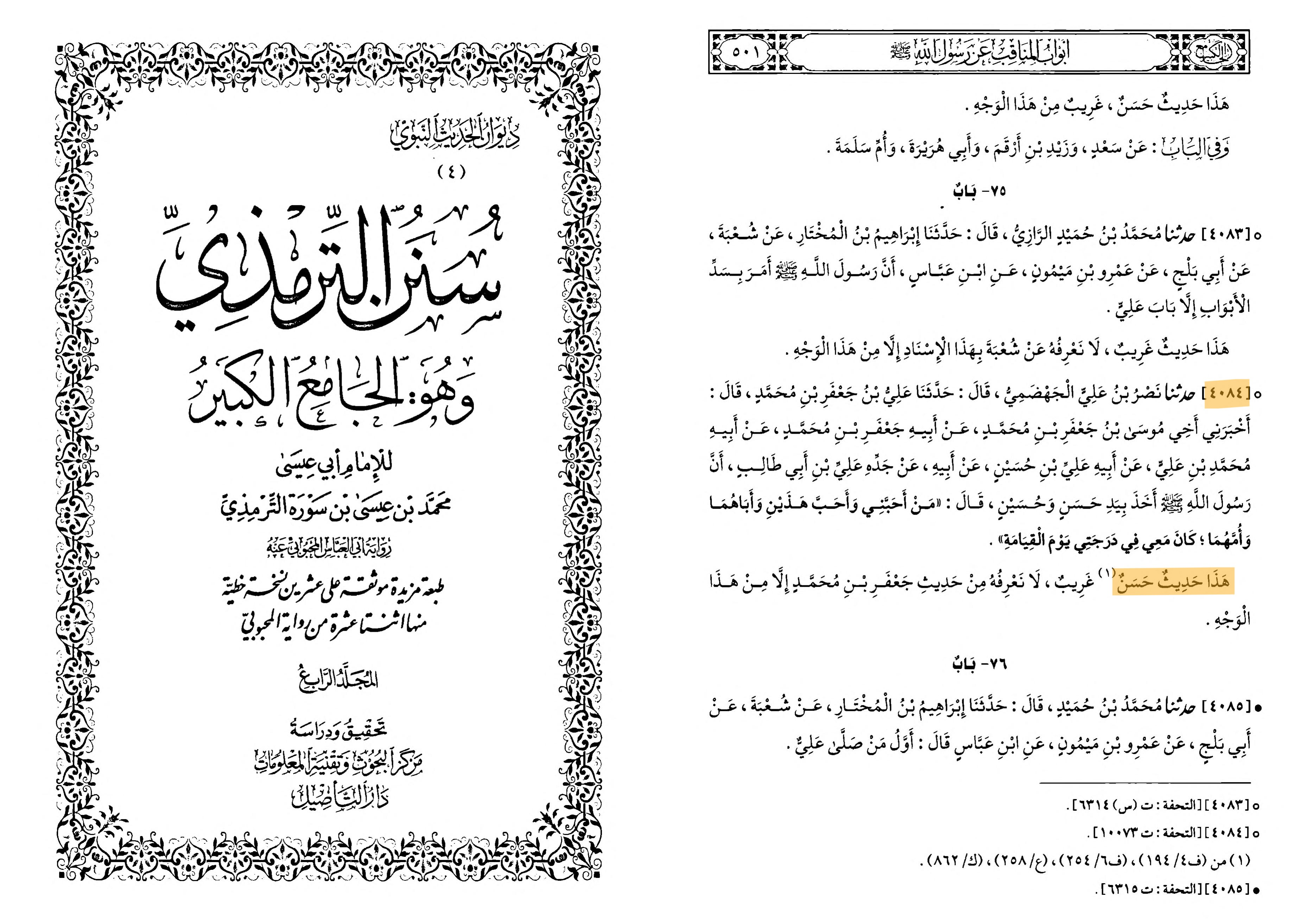
• Abu Eesa al-Tirmidhi commented :
حَدِيثٌ حَسَنٌ غَرِيبٌ
This Hadith is Hasan Gharib
https://sunnah.com/tirmidhi:3733
When Nasr Ibn Ali al-Jahdami narrated this Hadith, he was ordered to be flogged 1000 times by the Caliph.
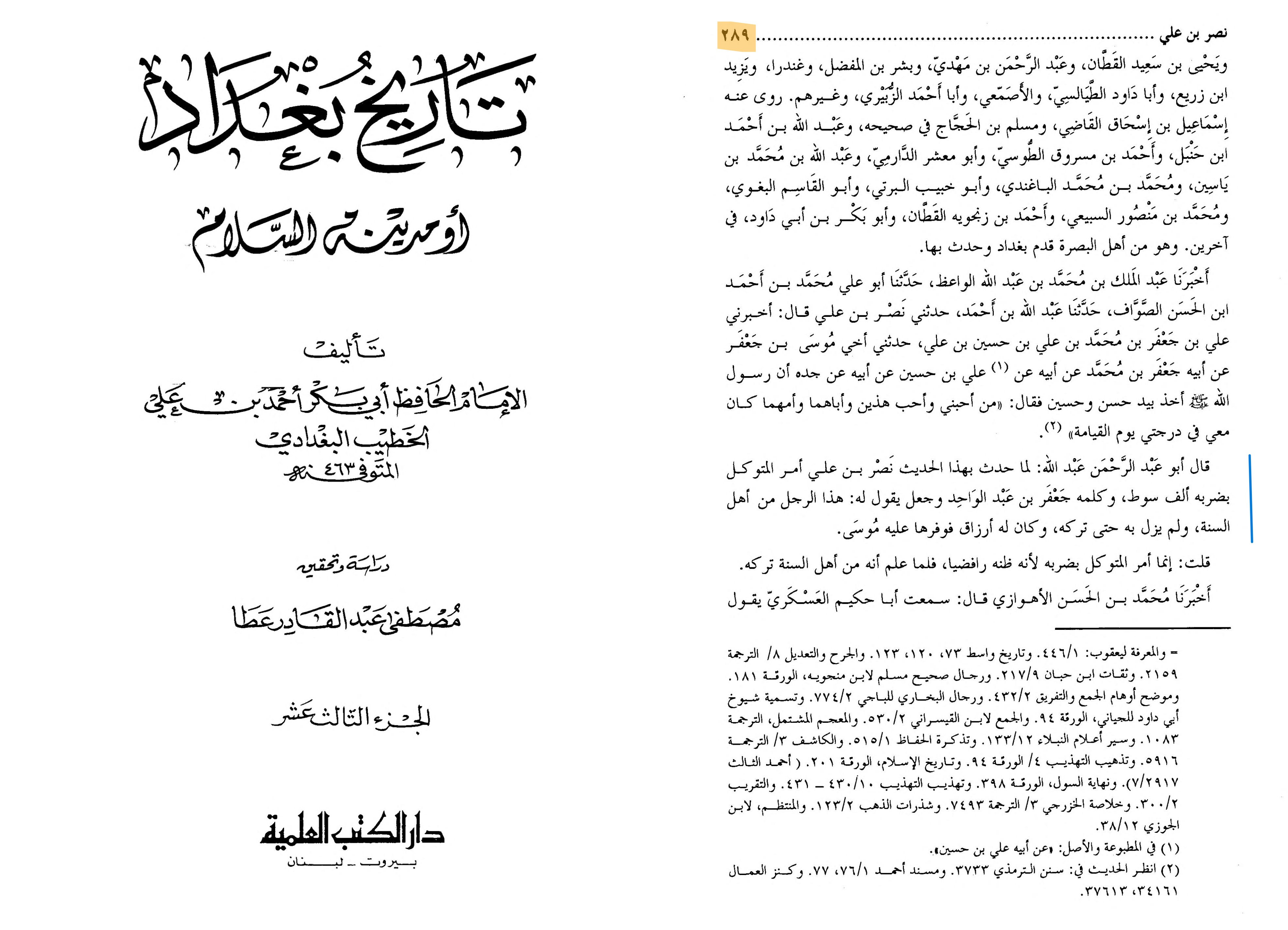
2) al-Khatib al-Baghdadi mentioned :
قال أبو عبد الرّحمن عبد الله: لما حدث بهذا الحديث نصر بن علي أمر المتوكل يضربه ألف سوط، وكلمه جعفر بن عبد الواحد وجعل يقول له: هذا الرجل من أهل السنة، ولم يزل به حتى تركه، وكان له أرزاق فوفرها عليه موسى. قلت: إنما أمر المتوكل بضربه لأنه ظنه رافضيا، فلما علم أنه من أهل السنة تركه
When Nasr Ibn Ali al-Jahdami narrated this hadith, the Abbasid caliph al-Mutawakkil ordered him to be flogged a thousand times.
Ja’far Ibn Abd al-Wahid interceded on his behalf before al-Mutawakkil, arguing that he was a Sunni. Ja’far persisted in his efforts until Nasr was released.
Nasr Ibn Ali used to receive a stipend provided to him by the Abbasid caliph Musa al-Hadi.
I say: al-Mutawakkil ordered him to be flogged because he thought that he was a Rafidi. However, when he learned that Nasr was a Sunni, he was released.
~Taarikh Baghdad vol 13:289
Part Two : Those who authenticated this Hadith ✅
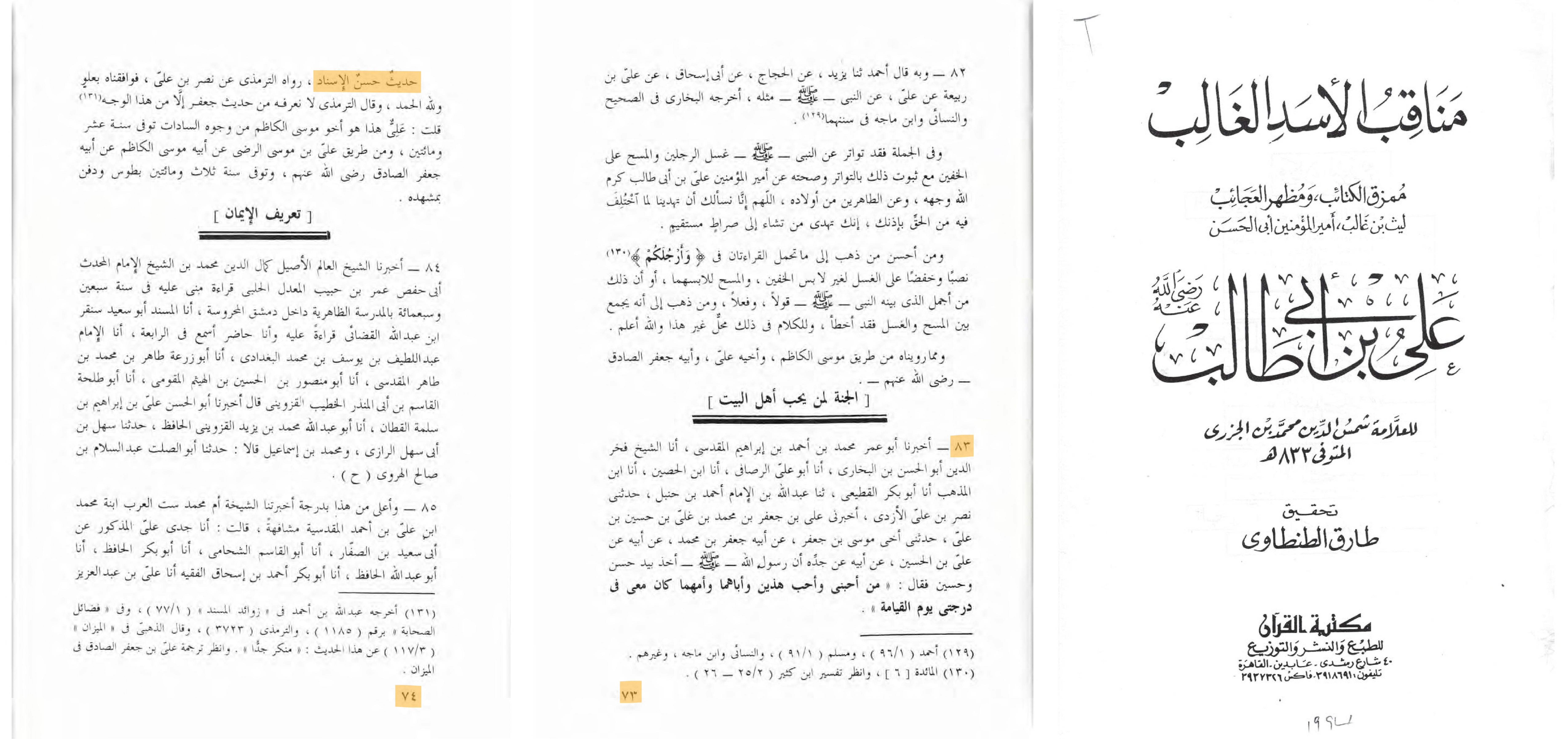
1) Ibn al-Jazari wrote :
حديث حسن الإسناد رواه الترمذي عن نصر بن علي.. وقال الترمذي لا نعرفه من حديث جعفر إلا من هذا الوجه قلت علي هذا هو أخو موسى الكاظم من وجوه السادات
This Hadith is Hasan; it was narrated by al-Tirmidhi from Nasr Ibn Ali. al-Tirmidhi said, ‘We do not know this Hadith except through this chain.’ I say : This Ali (Ibn Ja’far) is the brother of Musa al-Kadhim, one of the prominent figures of the Sayyids.
~Manaqib al-Asad al-Ghalib Ali Ibn Abi Talib page 73-74
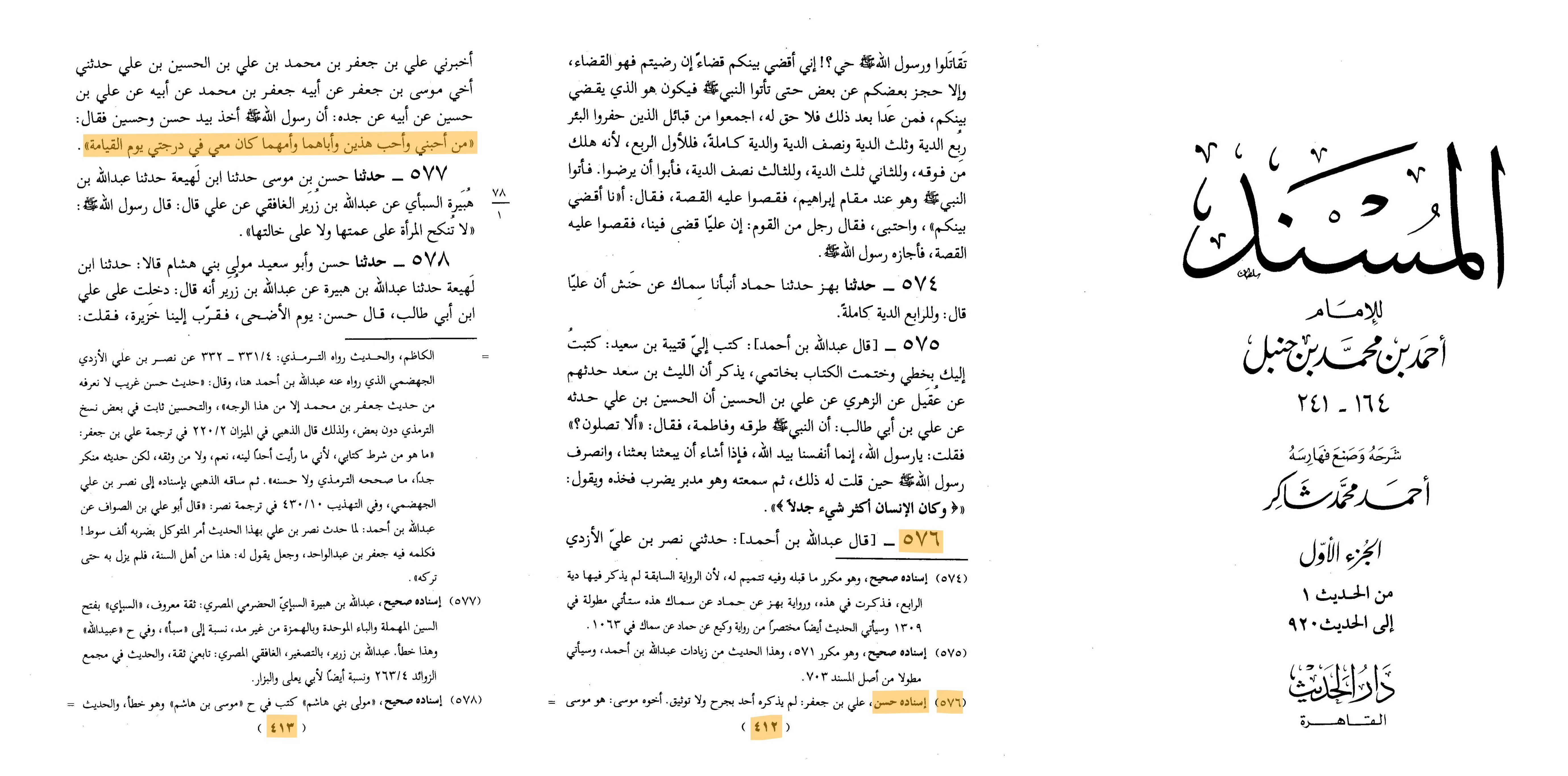
2) Ahmad Muhammad Shaakir called this Hadith Hasan (إسناده حسن)
~Musnad Ahmad vol 1:412-413
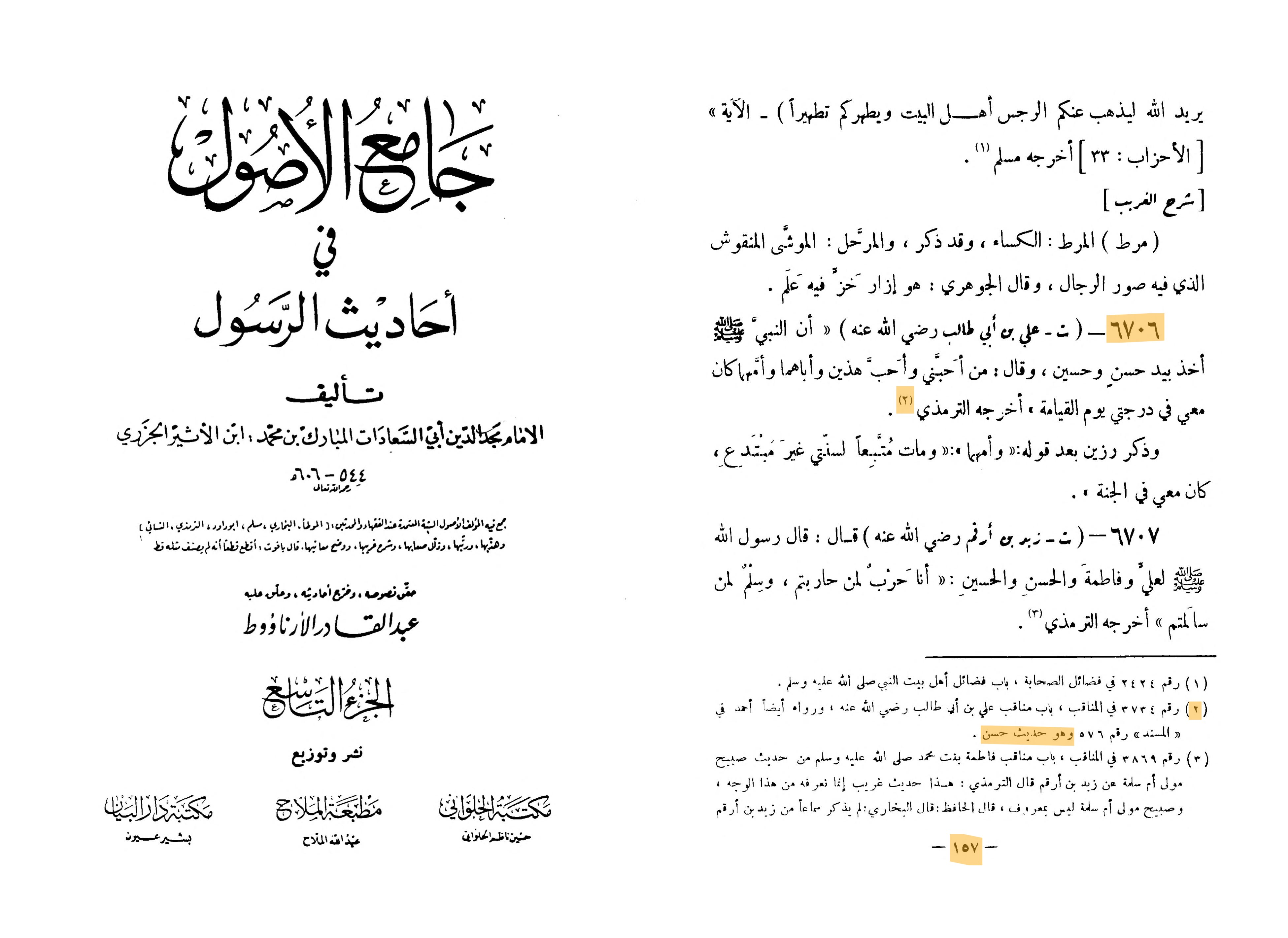
3) Shaykh Abd al-Qadir al-Arnaut called this Hadith Hasan (وهو حديث حسن)
~Jami’ al-Usool fee Hadith al-Rasool vol 9:157, Ibn Athir al-Jazari
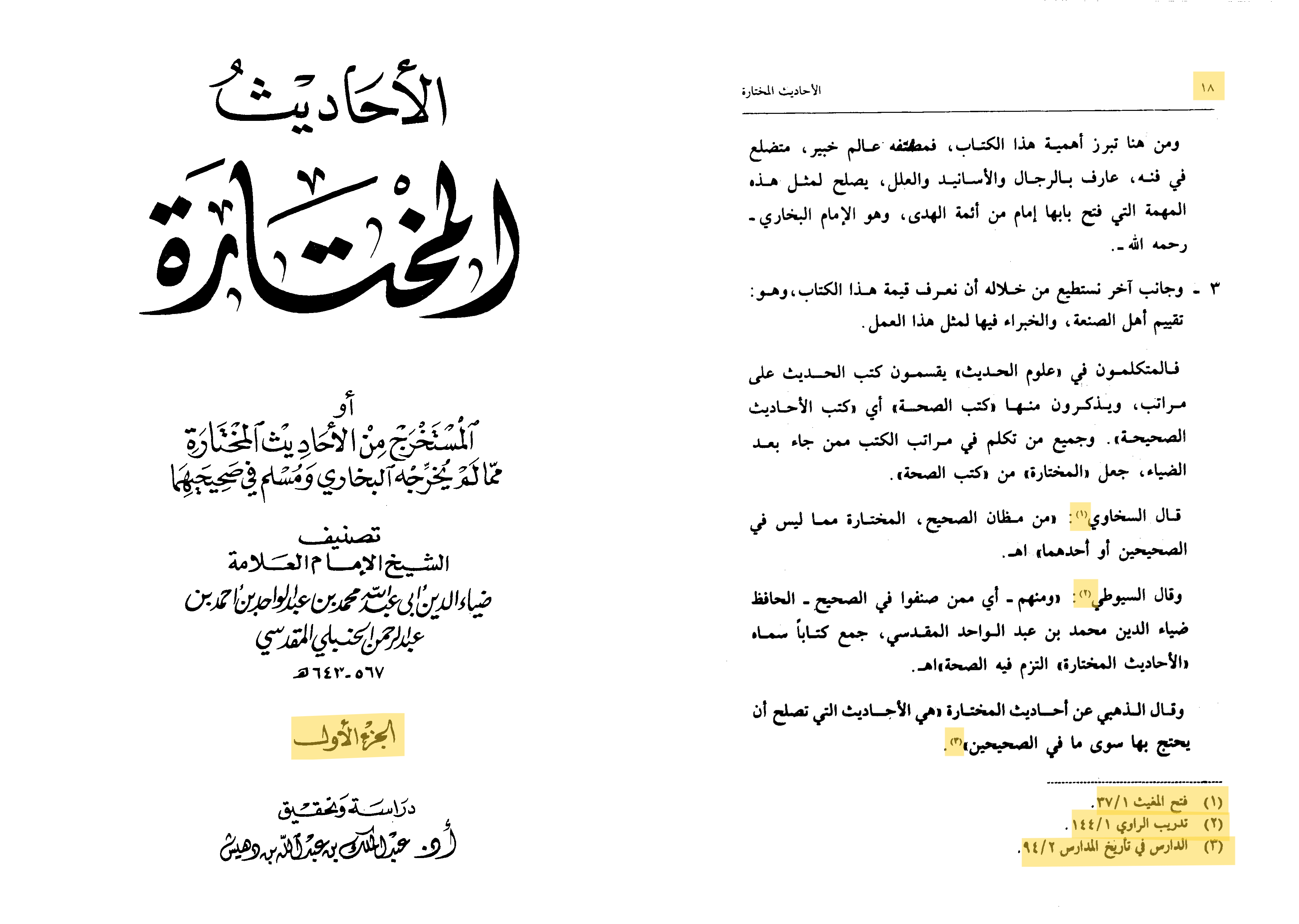
4) Hafidh Diya al-Deen al-Maqdisi mentioned this narration in his famous work, al-Ahadith al-Mukhtara and he only wrote down those Hadith in this book which were Sahih according to his conditions :
وقال السيوطي : ومنهم – أي ممن صنفوا في الصحيح – الحافظ ضياء الدين محمد بن عبد الواحد المقدسي، جمع كتاباً سماه الأحاديث المختارة، التزم فيه الصحة اهـ.
Allamah al-Suyuti said : Among those who compiled a Sahih book is Hafidh Diya al-Deen al-Maqdisi, who compiled a book called ‘al-Ahadith al-Mukhtara’, in which he has mentioned authentic narrations.
وقال الذهبي عن أحاديث المختارة هي الأحاديث التي تصلح أن يحتج بها سوى ما في الصحيحين
Allamah adh-Dhabhi said about this book that in it are Hadiths that can be used as evidence other than Sahih al-Bukhari and Sahih Muslim.
~Introduction of al-Mukhtara page 18
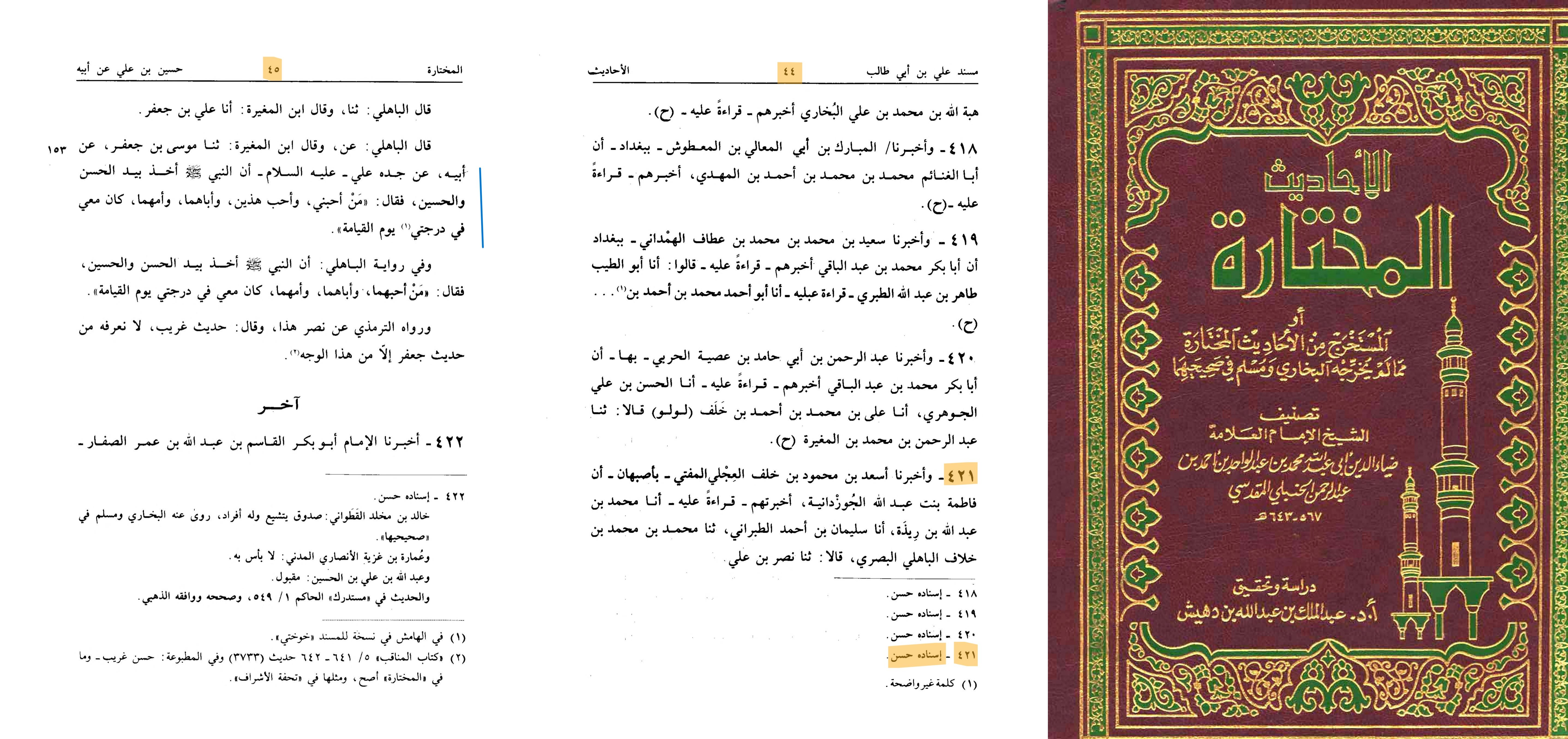
• In the comments of al-Mukhtara, the investigator, Dr. Abd al-Malik Ibn Abd-Allah Ibn Duhaysh commented that the Sanad is Hasan (إسناده حسن)
~al-Ahadith al-Mukhtara vol 2:44-45
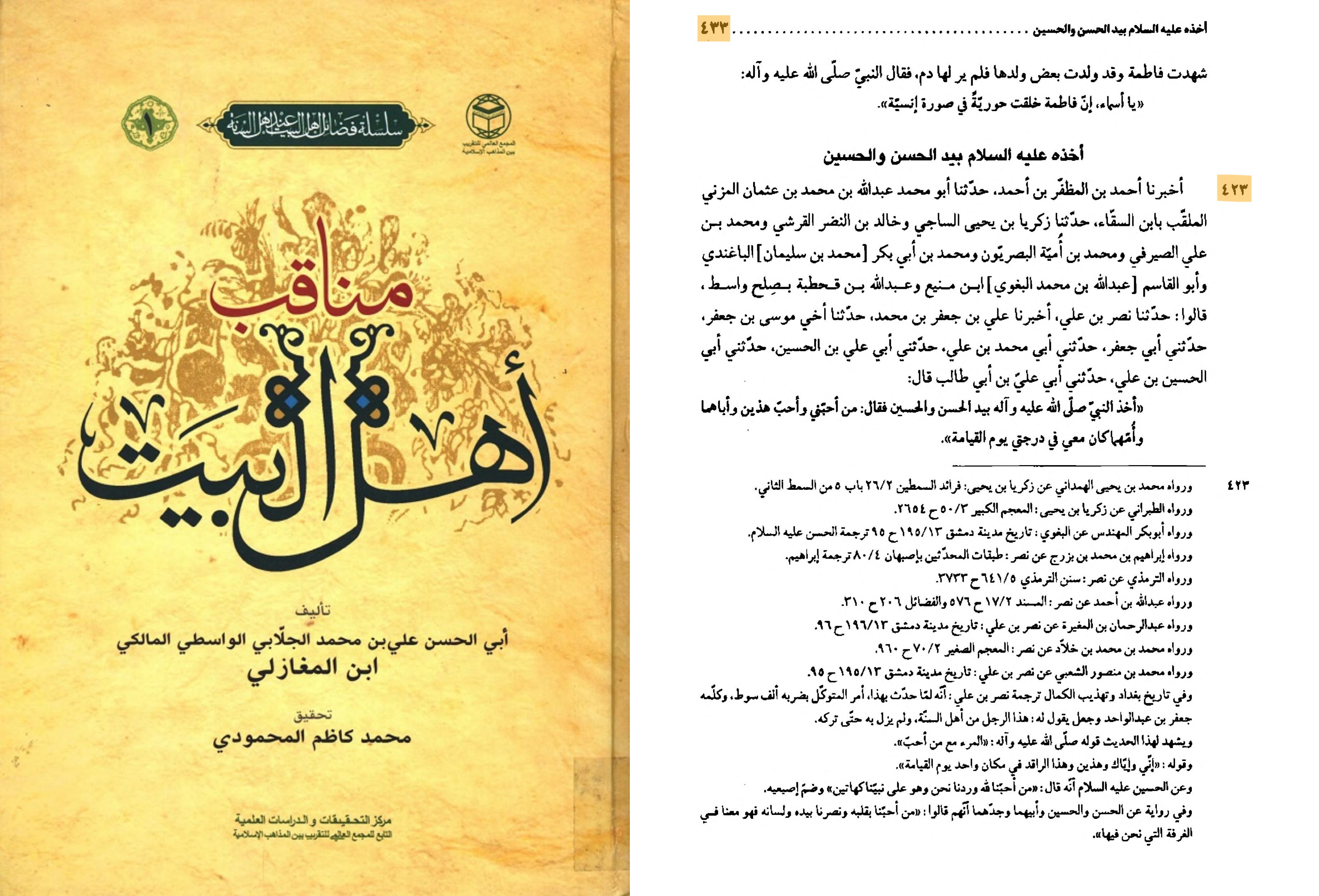
5) Ibn al-Maghizali al-Maliki mentioned this Hadith in his book Manaqib Emir al-Mu’meenin, and in the introduction to the book, he mentions that he only quoted Sahih narrations according to his methodology :
ﻓﺠﻤﻌﺖ ﻓﻲ ﻓﻀﺎﺋﻠﻬﻢ ﻣﺎ اﻧﺘﻬﺖ ﺇﻟﻴﻪ ﻣﻌﺮﻓﺘﻲ، ﻭﺑﻠﻐﻪ ﺟﻬﺪﻱ ﻭﻃﺎﻗﺘﻲ، ﻣﻤﺎ ﺃﻧﺰﻝ اﻟﻠﻪ ﺗﻌﺎﻟﻰ ﻓﻴﻬﻢ ﻣﻦ اﻵﻳﺎﺕ ﻓﻲ اﻟﺴﻮﺭاﺕ، ﻭﻣﺎ ﺟﺮﻯ ﻋﻠﻰ ﻟﻔﻆ اﻟﺮﺳﻮﻝ ﻣﻦ اﻟﺪﻻﻻﺕ، ﻭﻣﺎ ﻇﻬﺮ ﻣﻨﻬﻢ ﻣﻦ اﻟﻤﻌﺠﺰاﺕ، ﻣﺎ ﻻ ﻳﻤﻜﻦ اﻟﻤﻨﺼﻒ ﺑﻌﻘﻠﻪ ﺇﻧﻜﺎﺭﻩ
I have collected in this book the Fadhail of the Ahl al-Bayt of what is well known to me, from what Allah ﷻ revealed about them in the Qur’an and what was reported from the words of Rasul-Allah ﷺ about them and their apparent miracles, which no fair-minded person with his intellect can deny.
~Manaqib Emir al-Mu’meenin page 22
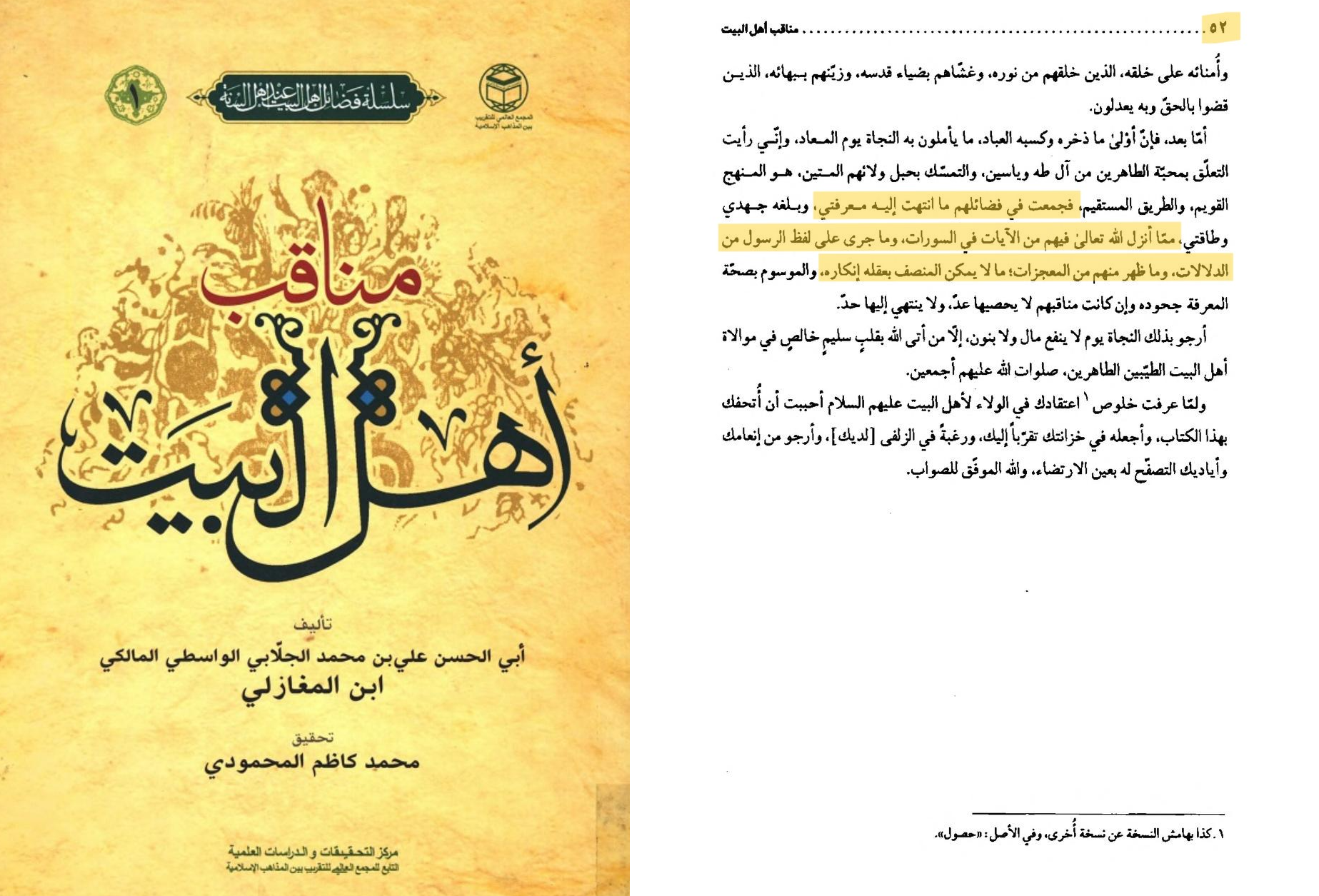
Then he mentions this Hadith with the same Sanad on page 433
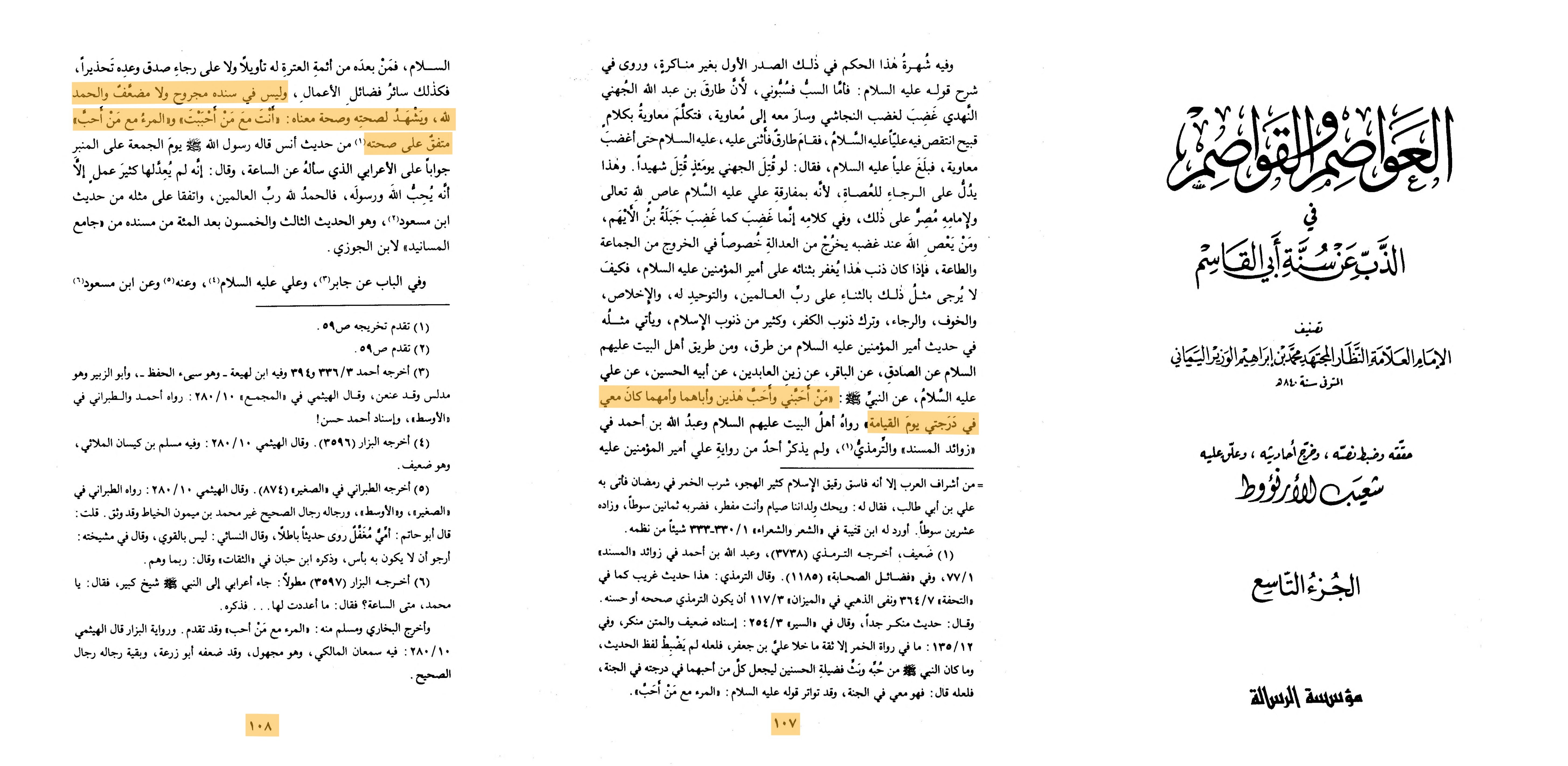
6) Ibn al-Wazir Izz al-Deen wrote :
وليس في سنده مجروح ولا مضعَّفٌ والحمد لله، ويشهد لصحته وصحة معناه: أنْتَ مع من أحببتَ و المرء مع من أحب متفق على صحته
There is no narrator in its chain who has been declared weak, alhamdulillah, also what attests to its authenticity and its meaning is the hadith, ‘You will be with those whom you love.’ and its authenticity is agreed upon by the scholars.
~al-Awasim wa al-Qawasim fee al-Zabb aan Sunnah Abi al-Qasim vol 9:107-108
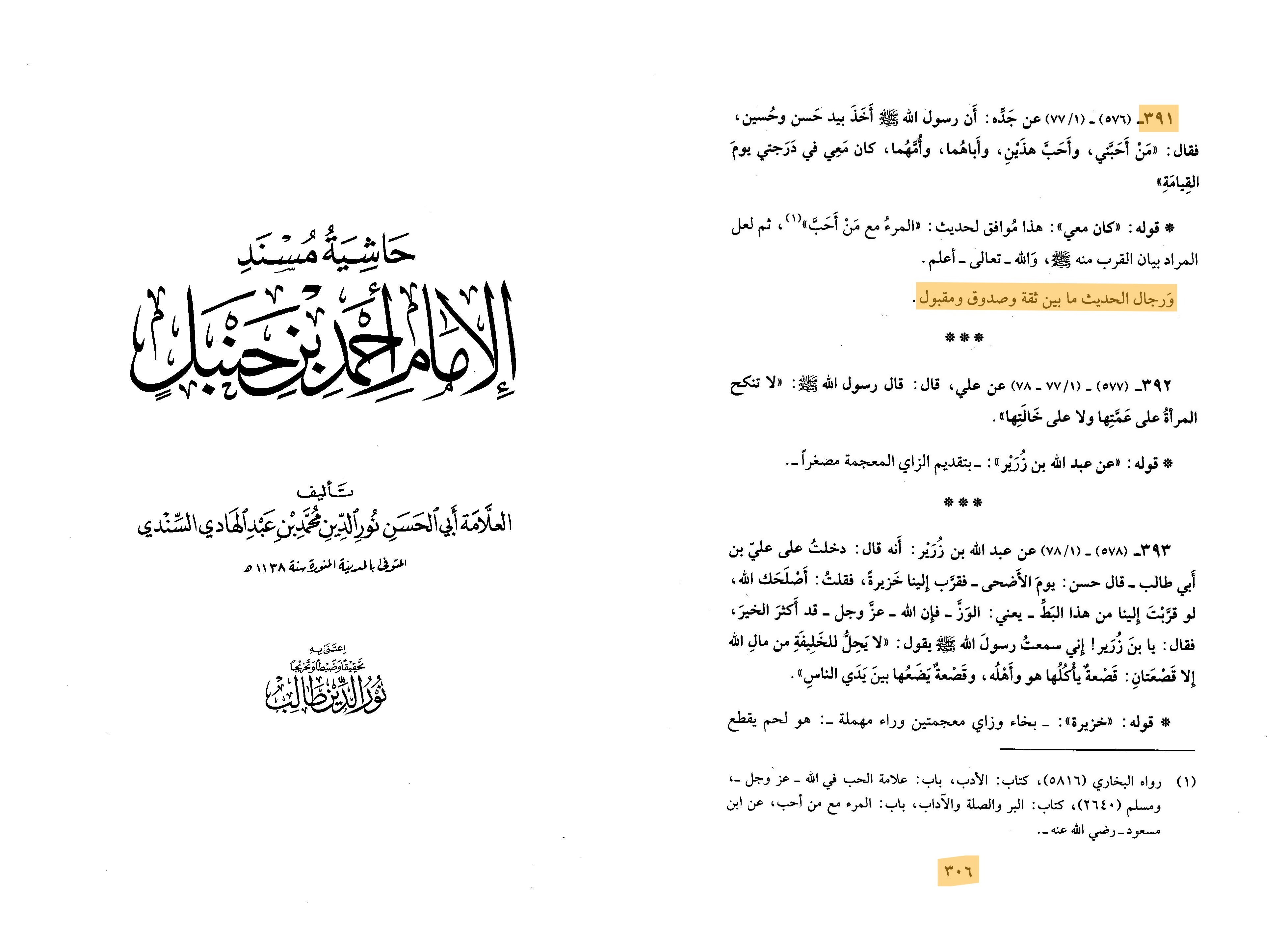
7) Allamah Nur al-Deen al-Sindi said :
قوله كَانَ مَعِي موافق لحديث: الْمَرْءُ مَعَ مَنْ أَحَبَّ ثم لعل المراد بيان القرب منه ﷺ والله تعالى أعلمتكررت. ورجال الحديث ما بين ثقة وصدوق ومقبول.
The phrase in the Hadith, ‘They shall be with me,’ aligns with the Hadith : ‘A person will be with those whom he loves.’
The narrators of this Hadith are classified either Trustworthy, Truthful or Acceptable in Hadith.
~Hashiyah al-Sindi ala Musnad Ahmad vol 1:306
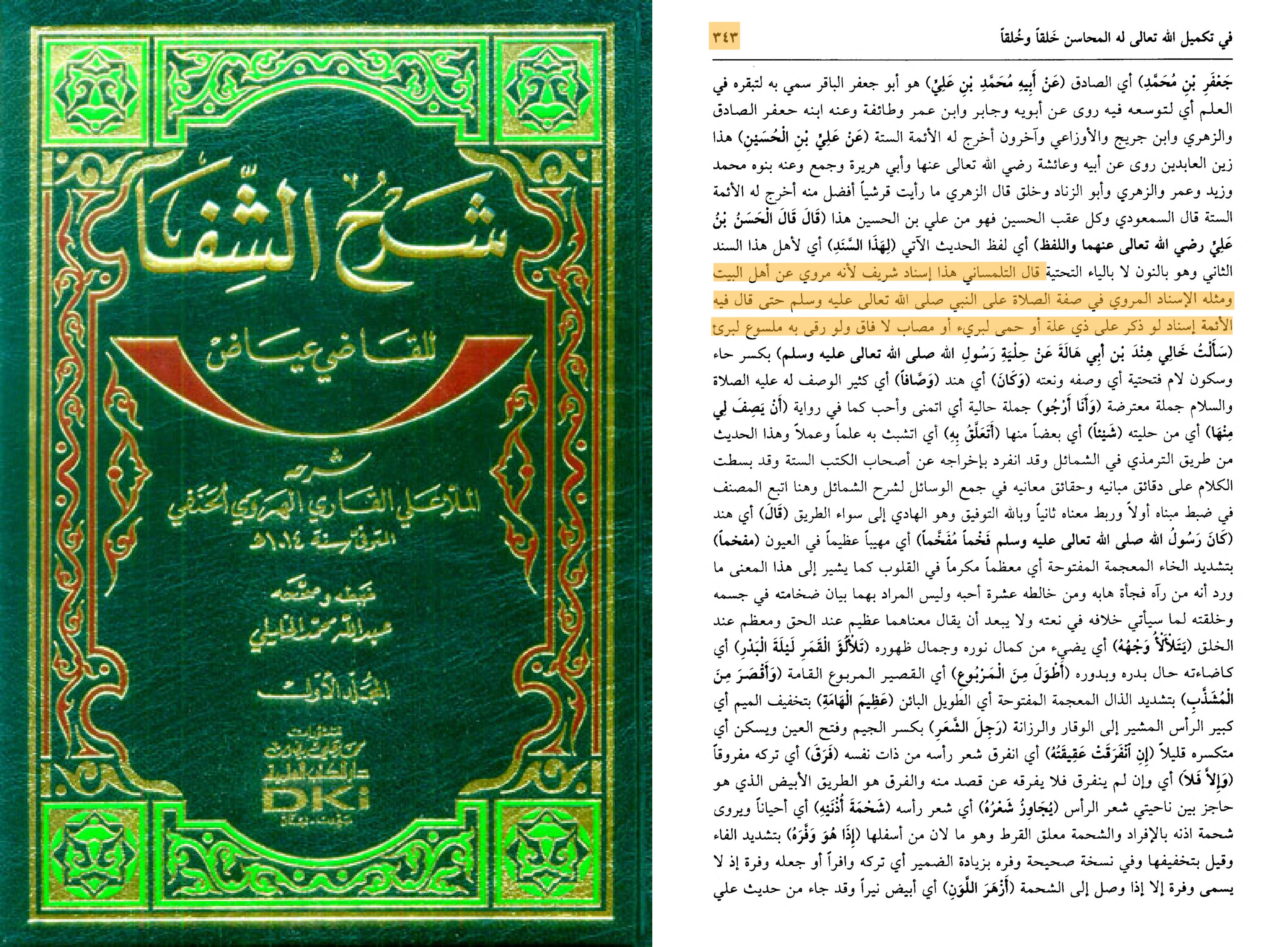
8) Mulla Ali al-Qaari wrote :
قال التلمساني هذا إسناد شريف لأنه مروي عن أهل البيت ومثله الإسناد المروي في صفة الصلاة على النبي ﷺ حتى قال فيه الأئمة إسناد لو ذكر على ذي علة أو حمى لبريء
al-Tilimasani said, ‘This is a noble sanad because it is narrated by the Ahl al-Bayt. The scholars said of this Sanad that if this Sanad is recited over someone with illness, he would be cured.’
~Sharh al-Shifa vol 1:343
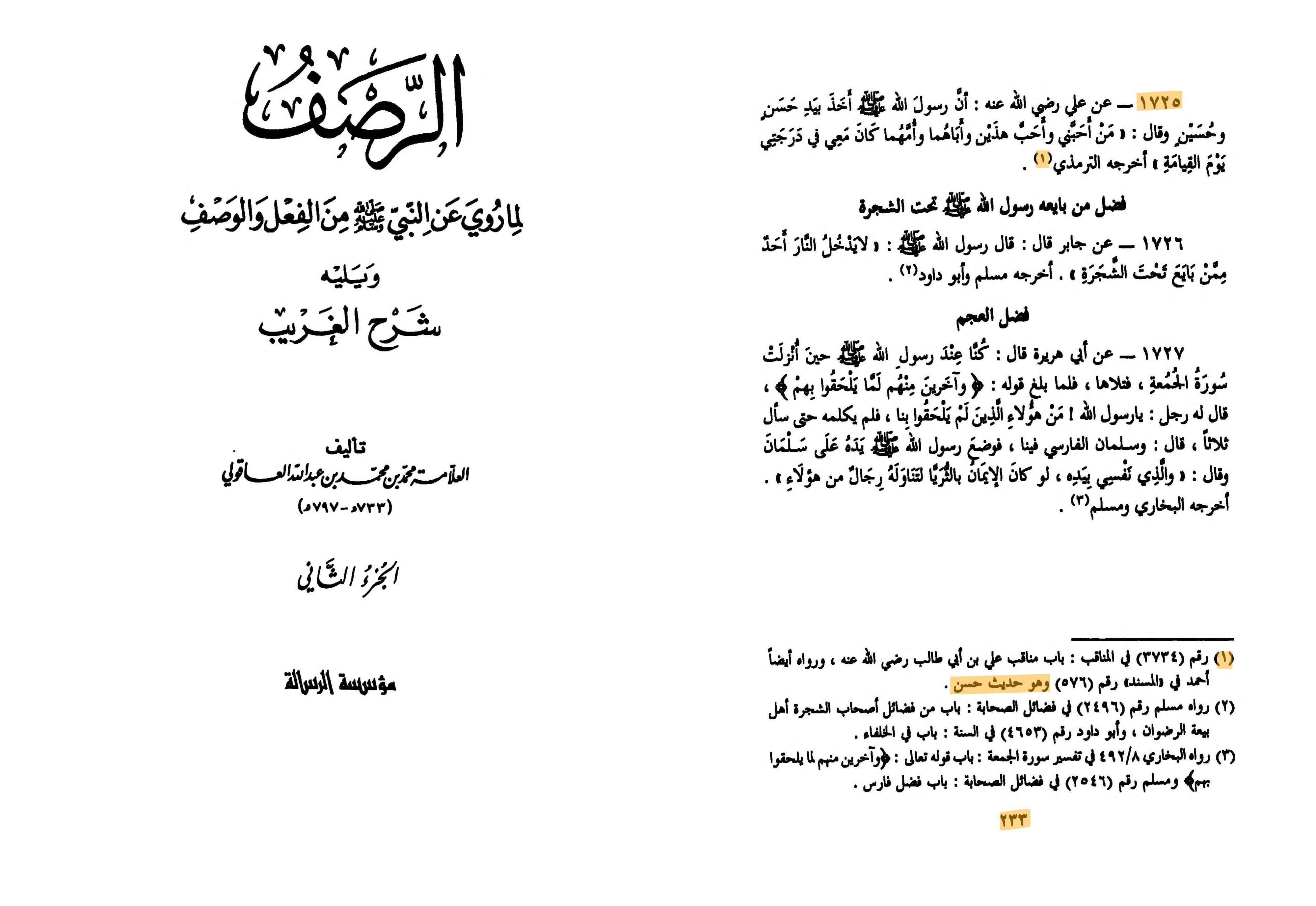
9) The Muhaqqiq of Ibn al-Aquli’s book, al-Rasf li-ma Ruwiya aan al-Nabi ﷺ min al-Fa’al wa al-Wasf commented on this Hadith and said :
في المناقب: باب مناقب علي بن أبي طالب رضي الله عنه، ورواه أيضًا أحمد في لمسند وهو حديث حسن.
al-Tirmidhi narrated it in the Manaqib of Ali Ibn Abi Talib and also Ahmad Ibn Hanbal narrated it in his Musnad and this Hadith is Hasan.
~al-Rasf li-ma Ruwiya aan al-Nabi ﷺ min al-Fa’al wa al-Wasf vol 2:233
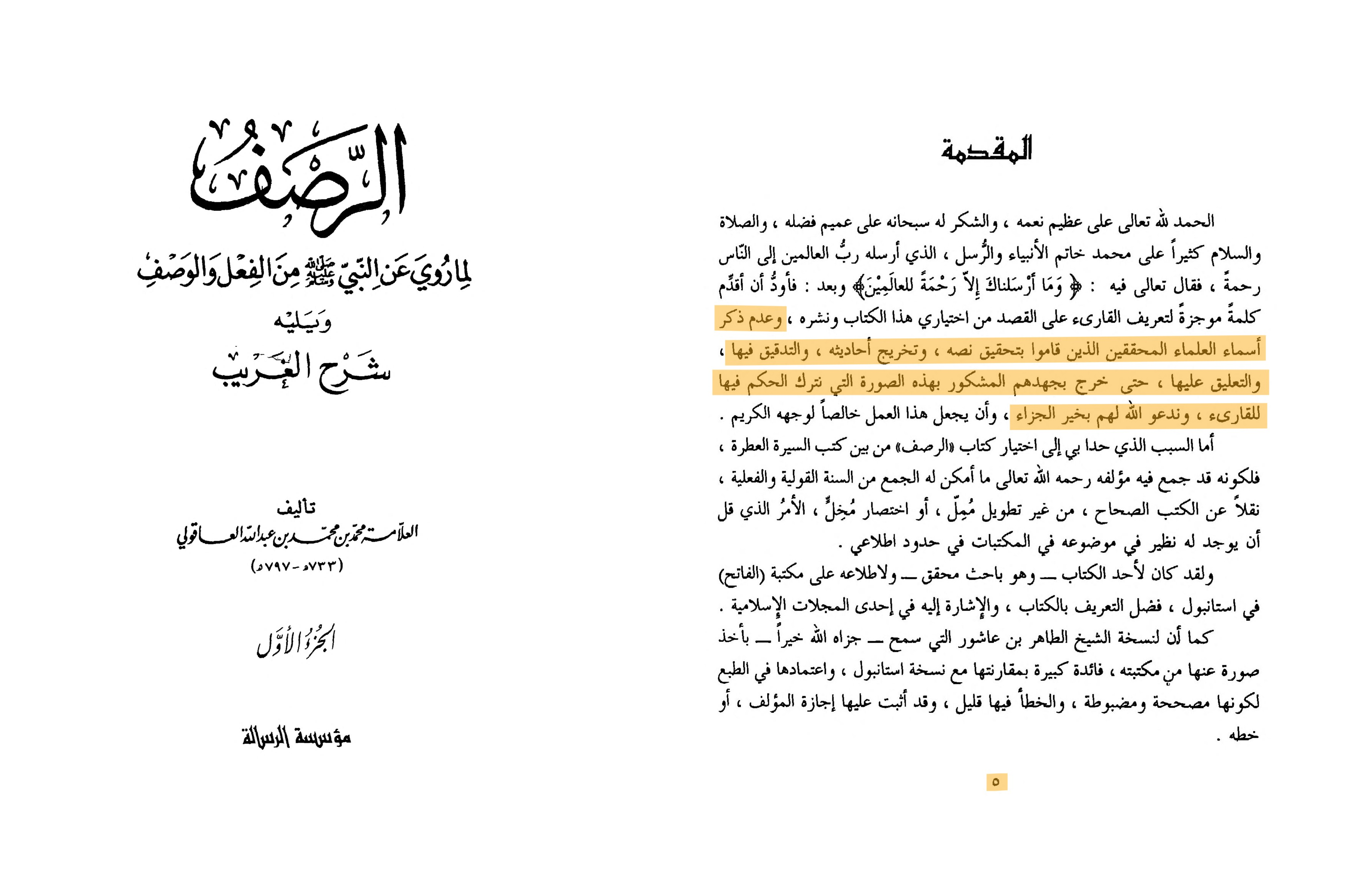
• The Muhaqqiq’s name is not known because the editor decided to skip it and wrote in the introduction to the book :
وعدم ذكر أسماء العلماء المحققين الذين قاموا بتحقيق نصه، وتخريج أحاديثه، والتدقيق فيها، والتعليق عليها، حتى خرج بجهدهم المشكور بهذه الصورة التى نترك الحكم فيها للقارئ، وندعو الله لهم بخير الجزاء
The names of the distinguished scholars who verified the text of this book, traced its hadiths, and provided commentary have been omitted. It is through their commendable efforts that this work has taken its present form. We pray that Allah rewards them abundantly for their invaluable contributions.
~Ebid vol 1:5
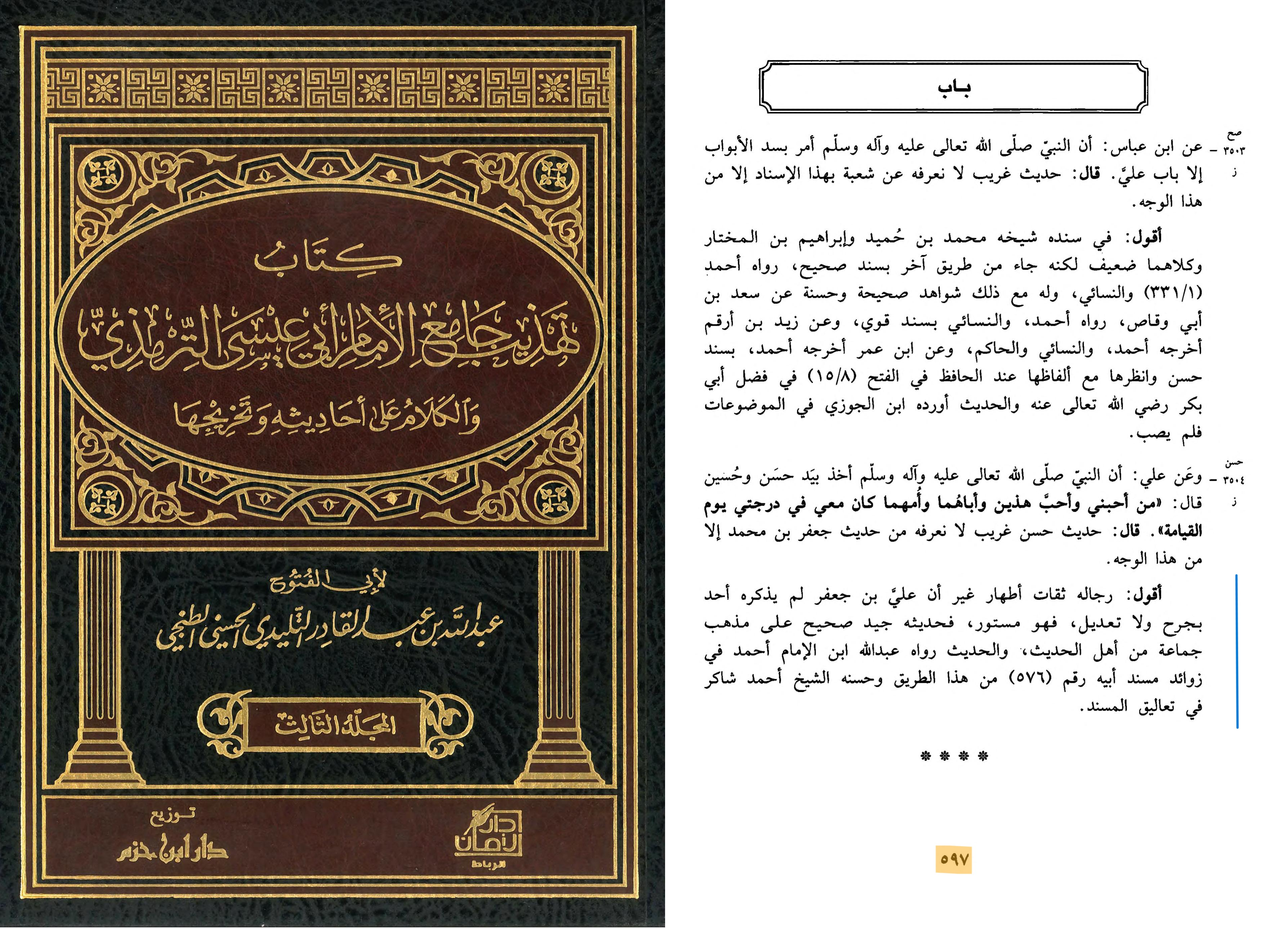
10) Shaykh Abd-Allah Ibn Abd al-Qadir al-Talidi wrote :
أقول : رجاله ثقات أطهار غير أن علي بن جعفر لم يذكره أحد بجرح ولا تعديل، فهو مستور، فحديثه جيد صحيح على مذهب جماعة من أهل الحديث والحديث رواه عبدالله ابن الإمام أحمد في زوائد مسند أبيه من هذا الطريق وحسنه الشيخ أحمد شاكر في تعاليق المسند.
I say : The narrators of this narration are trustworthy and pure, except that Ali Ibn Ja’far was not mentioned by anyone with criticism or praise, so he is Mastoor. While his Hadiths are good and authentic according to the school of a group of Hadith scholars
This Hadith was narrated by Abd-Allah Ibn Ahmad Ibn Hanbal in the Zawa’id of his father’s Musnad and Shaykh Ahmad Shaakir considered this Hadith Hasan.
~Tahdheeb Jami’ al-Tirmidhi vol 3:597
Part Three : Why They Weakened It and the Status of Ali Ibn Ja’far 🤔
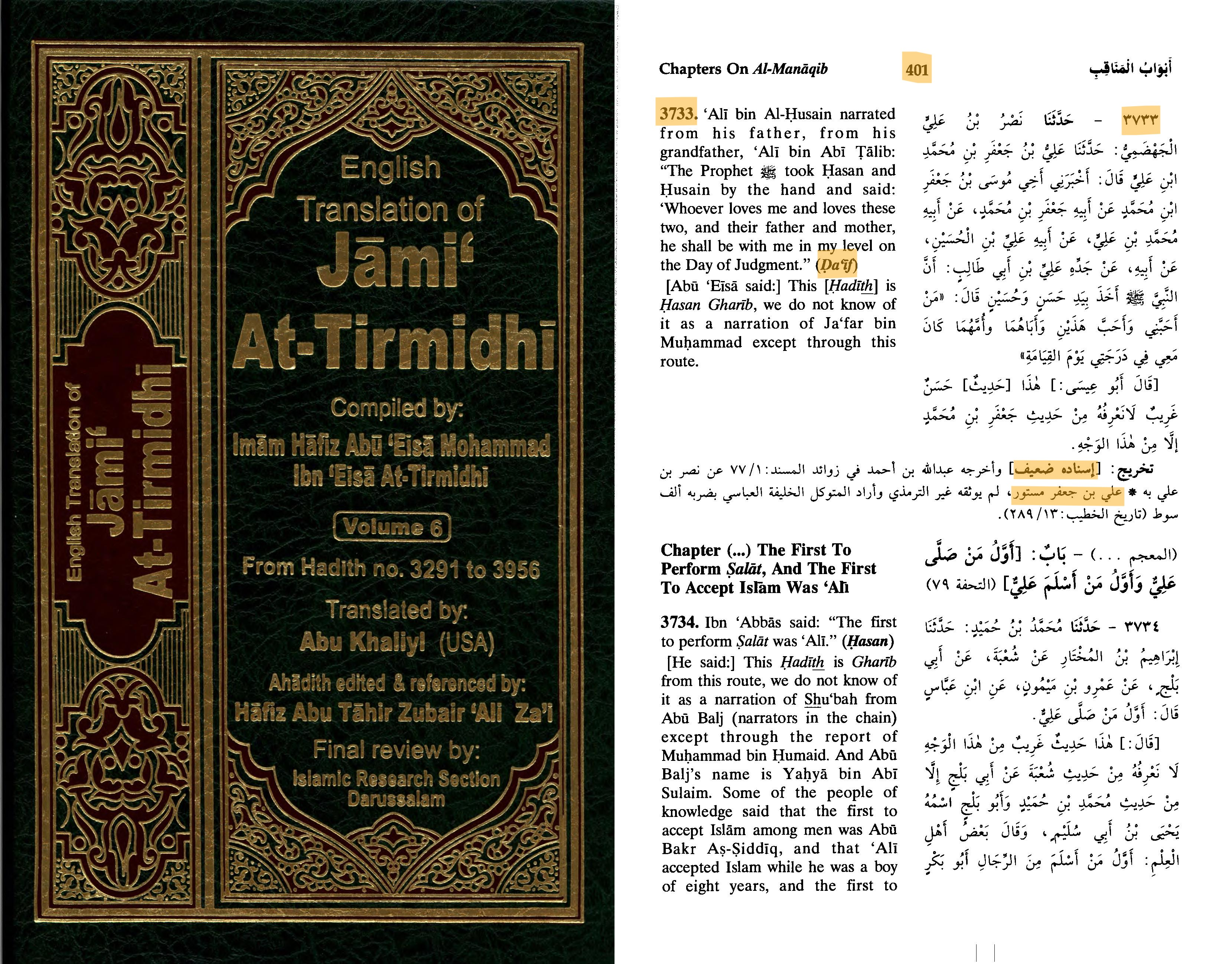
Zubayr Ali Zae’ commented on this Hadith and said :
إسناده ضعيف، علي بن جعفر مستور، لم يوثقه غير الترمذي
It’s Sanad is Da’eef because Ali Ibn Ja’far is Mastoor, nobody called him trustworthy except al-Tirmidhi.
~Jami’ al-Tirmidhi vol 6:401
This Hadith is weakened due to the claim that Ali Ibn Ja’far al-Alavi, the brother of Imam Musa al-Kadhim, was Mastoor, but he is acceptable in Hadith :
1) Hafidh Ibn Hajr al-Asqalani said :
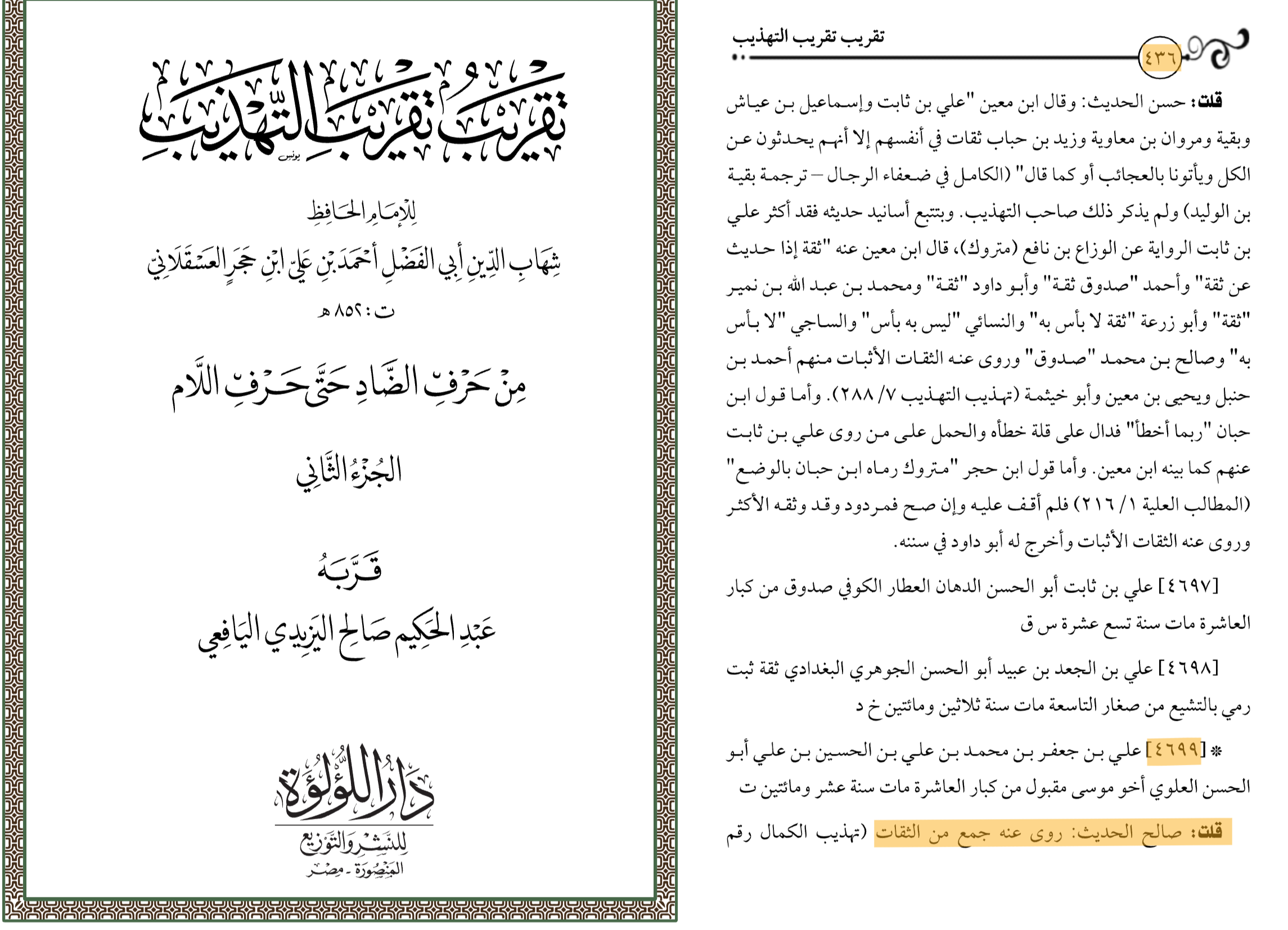
علي بن جعفر.. العلوي أخو موسى مقبول من كبار العاشرة
Ali Ibn Ja’far al-Alawi, the brother of Musa al-Kadhim, he is accepted in Hadith and is among the senior of the tenth generation.
Abd al-Hakim Saleh commented :
قلت: صالح الحديث: روى عنه جمع من الثقات
He was pious in Hadith; a group of trustworthy people narrated from him.
~Taqrib Taqrib al-Tahdheeb vol 2:436
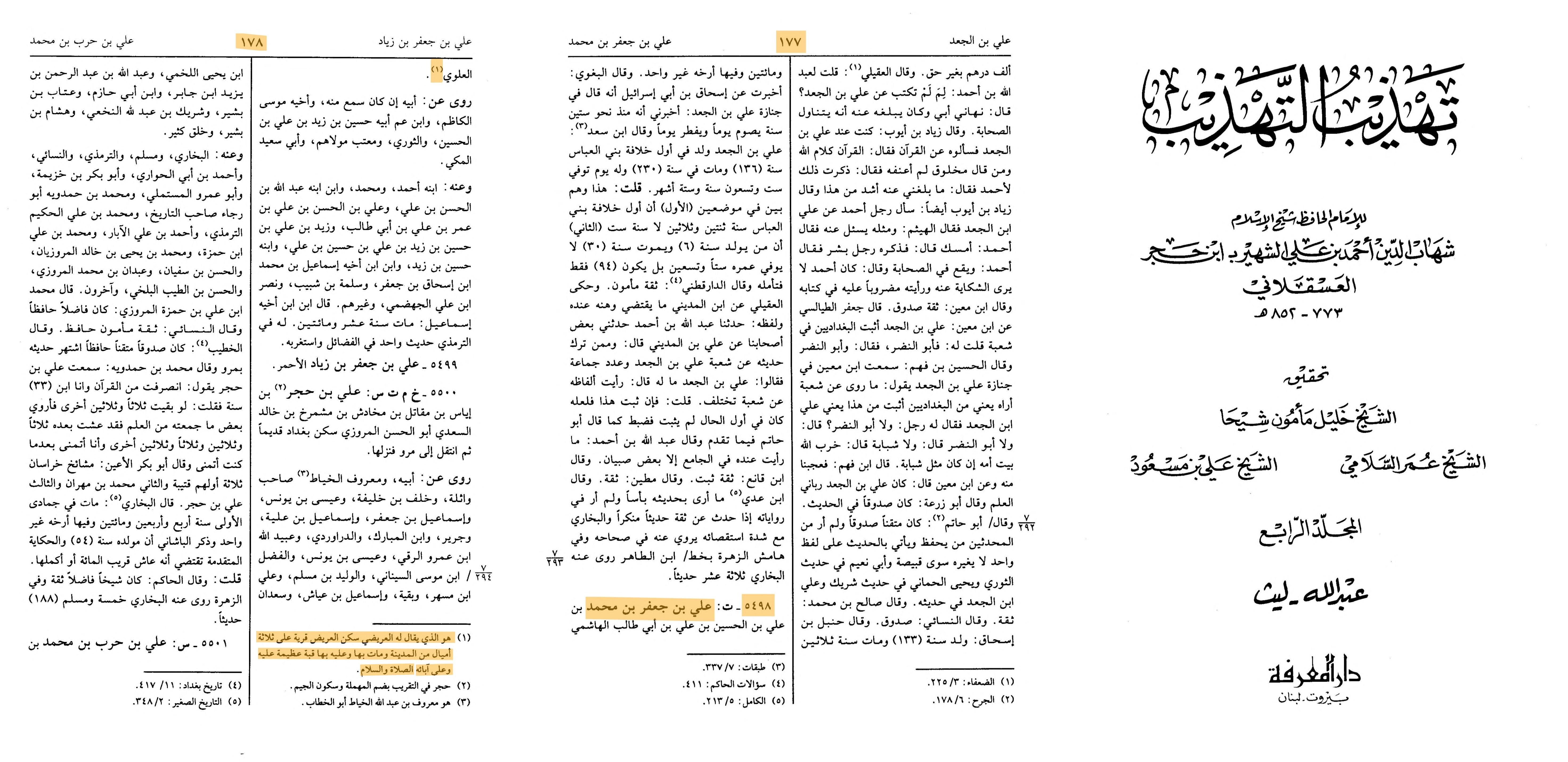
2) Shaykh Khalil Mamoon Chiha wrote :
هو الذي يقال له العريضي سكن العريض قرية على ثلاثة أميال من المدينة ومات بها وعليه بها قبة عظيمة عليه وعلى آبائه الصلاة والسلام.
Ali Ibn Ja’far is the one who is called al-Uraydi, he lived in al-Urayd, a village three miles from Madinah, and he died there. A great dome stands over him; may peace and blessings be upon him and his forefathers.
~Tahdheeb al-Tahdheeb vol 4:177-178
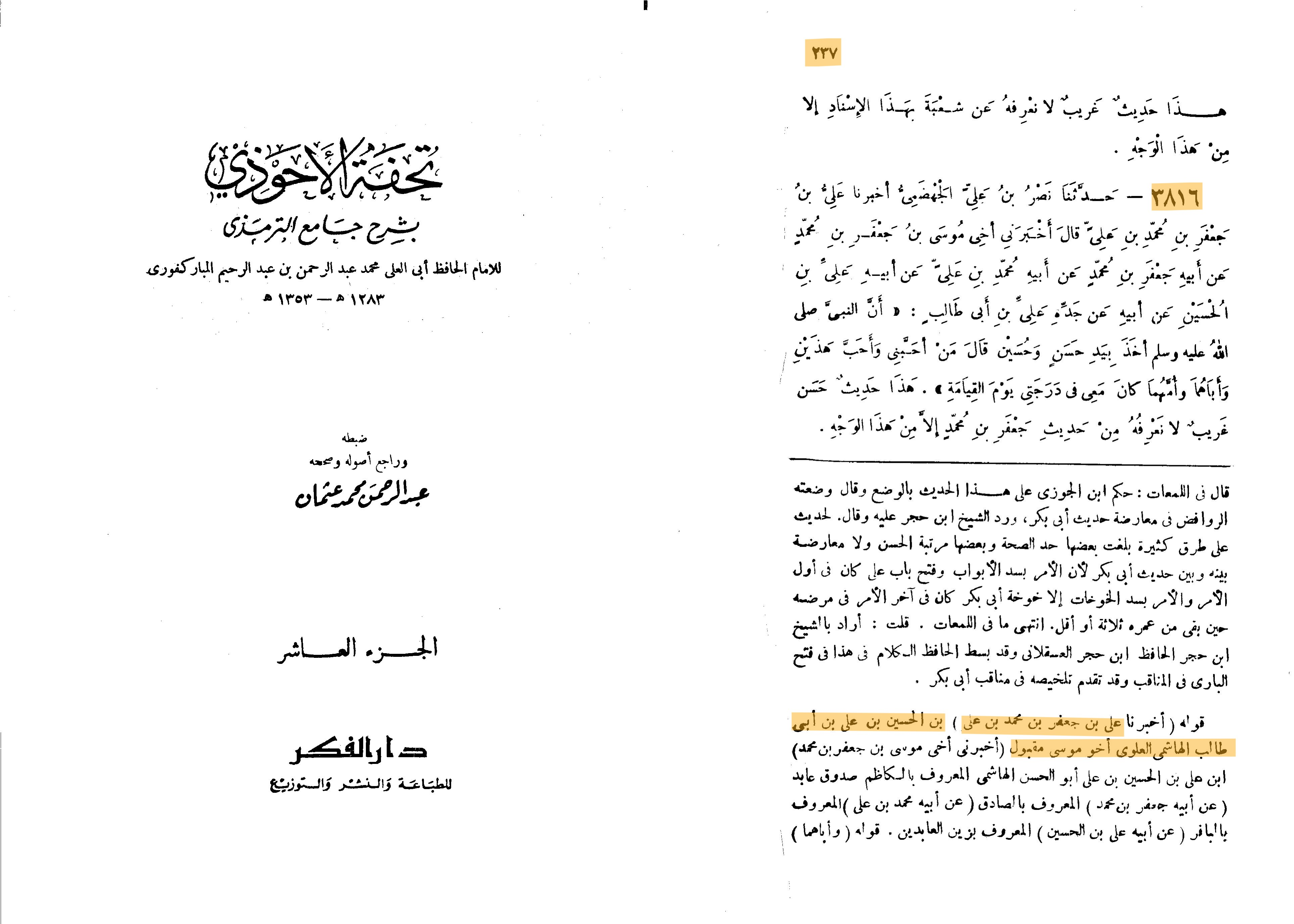
3) Abd al-Rahman al-Mubarakpuri wrote :
حدثنا علي بن جعفر بن محمد بن علي بن الحسين بن علي بن أبي طالب الهاشمي العلوي أخو موسى مقبول
It was narrated by Ali Ibn Ja’far Ibn Muhammad Ibn Ali Ibn al-Husayn Ibn Ali Ibn Abi Talib al-Hashmi al-Alawi, the brother of Musa, and he is accepted in Hadith.
~Tuhfat al-Ahvadhi vol 10:237
4) al-Dhabhi wrote :
على بن جعفر الصادق. وعنه عبد العزيز الاويسى، ونصر بن علي الجهضمى، وأحمد البزى، وجماعة ما هو من شرط كتابي، لانى ما رأيت أحدا لينه، نعم ولا من وثقه، ولكن حديثه منكر جدا، ما صححه الترمذي ولا حسنه
Ali Ibn Ja’far al-Sadiq. Those who narrated from him were : Abd al-Aziz al-Uwaysi, Nasr Ibn Ali al-Jahdami, Ahmad al-Bazzi and a group of others.
He is not in accordance with the condition of this book (to consider him weak) because I have not seen anyone who considered him weak, nor anyone who called him Thiqah.
However, his hadith is very objectionable; al-Tirmidhi neither called this Hadith Sahih nor Hasan.
~Meezan al-Ae’tidal vol 3:117
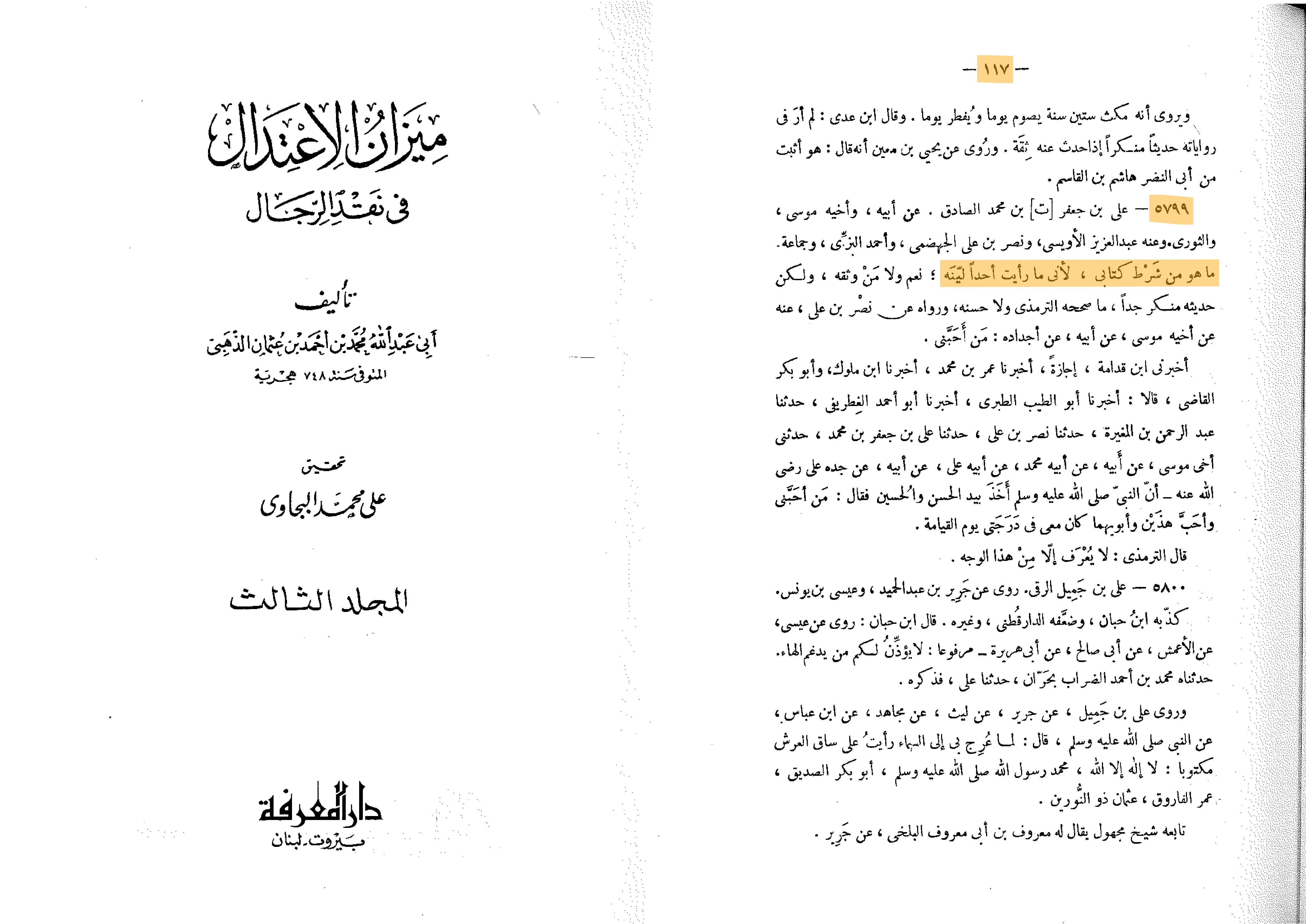
• They say al-Dhabhi mentioned Ali Ibn Ja’far in Mizan al-Aetidal (book listing weak narrators), but al-Dhabhi himself mentions that he isn’t in accordance with the book i.e Ali Ibn Ja’far can not be considered weak by the methodology of al-Dhabhi.
• al-Dhabhi also mentions that nobody called Ali Ibn Ja’far weak, nor did anyone call him trustworthy, but that is incorrect, as we have cited in Part Two of this article a list of scholars who authenticated his Hadith.
• al-Dhabhi also mentioned that al-Tirmidhi neither called this Hadith Sahih nor Hasan, but that is incorrect again, as we have already mentioned that al-Tirmidhi called the Hadith Hasan.
Part Four : Ruling on the Mastoor narrator 👳♂️
Even for the sake of argument, if we consider Ali Ibn Ja’far al-Alawi was Mastoor, does that mean his Hadiths can be explicitly rejected?
First, let us see the definition of ‘Mastoor’
1) Hafidh Ibn al-Salah wrote :
المجْهُولُ الذي جُهِلَتْ عَدَالَتُهُ البَاطِنَةُ، وهوَ عَدْلٌ في الظَّاهِرِ وهوَ المسْتُورُ، فَقَدْ قَالَ بَعْضُ أئِمَّتِنا: المستُورُ مَنْ يَكونُ عَدْلاً في الظاهِرِ، ولَا تُعْرَفُ عدَالَةُ باطِنِهِ. فهذا المجهُولُ يَحْتَجُّ بروايتِهِ بعضُ مَنْ رَدَّ روايةَ الأوَّلِ، وهوَ قَولُ بعضِ الشَّافِعِيَّيْنَ، وبهِ قَطَعَ منهُمُ الإمامُ سُلَيْمُ بنُ أيُّوبَ الرَّازيُّ،
A Majhool (unknown) narrator whose inner Adalah isn’t known but he appears righteous in his appearance is called Mastoor.
Some of our scholars have defined Mastoor as one who is righteous in his appearance, while his inner Adalah remains unknown.
Those scholars who would otherwise reject the narrations of the Majhool would accept the narration of a Mastoor. This is the position held by certain Shafi’i scholars; among them is Imam Sulaym Ibn Ayub al-Raazi, who explicitly affirmed this view.
~Muqaddamah Ibn al-Salah page 111-112
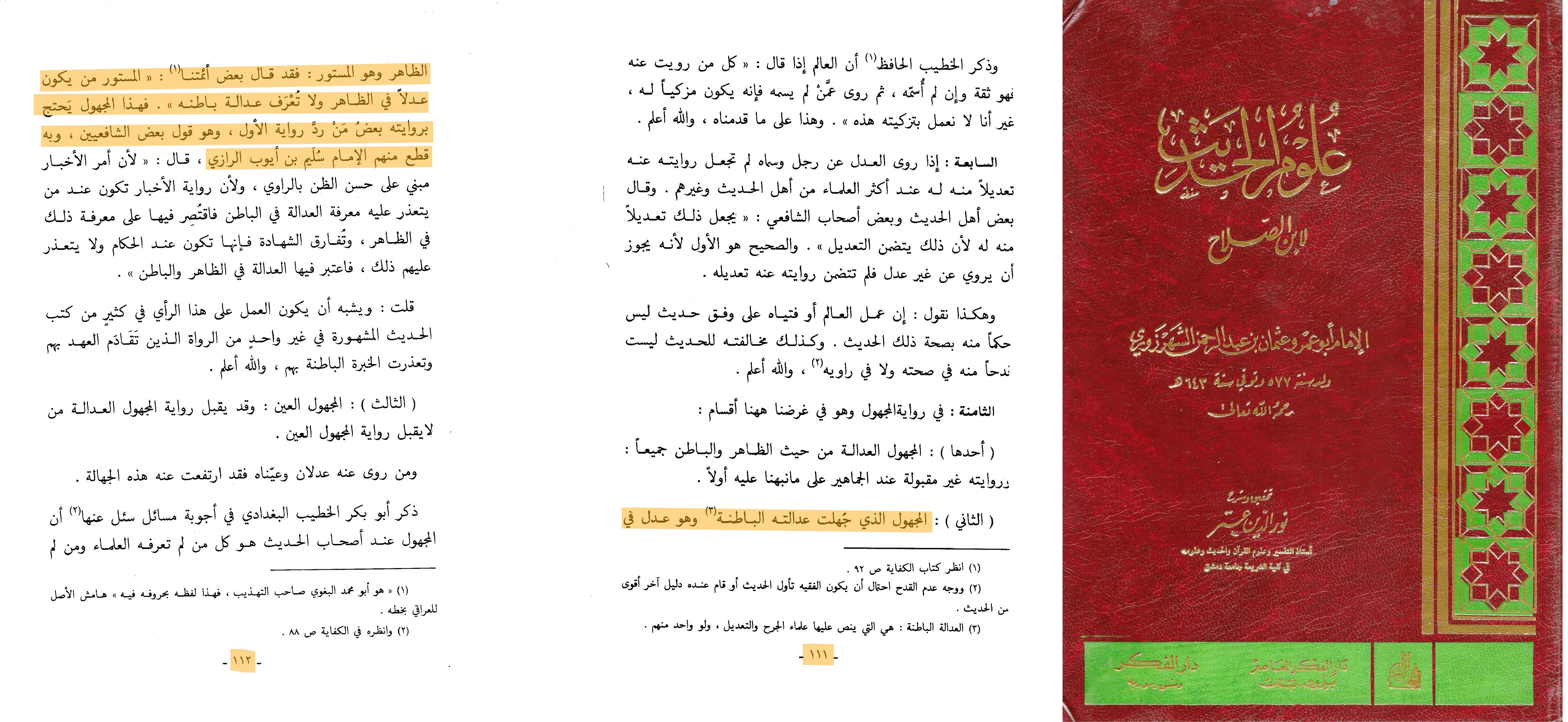
• Hafidh Ibn al-Salah defines Mastoor as one who is outwardly upright in his conduct and Hadith
• He mentions that the scholars would reject the Hadith of a Majhool (completely unknown) narrator but accept the narration of a Mastoor narrator.
• He also mentions the Shafi’i position on a Mastoor narrator: they would accept their narrations.
2) Nasir al-Deen al-Albani wrote :
والتحقيق أن رواية المستور ونحوه مما فيه الاحتمال لا يطلق القول بردها ولا بقبولها بل يقال: هي موقوفة إلى استبانة حاله كما جزم به إمام الحرمين… نعم يمكن أن تقبل روايته إذا روى عنه جمع من الثقات ولم يتبين في حديثه ما ينكر عليه وعلى هذا عمل المتأخرين من الحفاظ كابن كثير والعراقي والعسقلاني وغيرهم.
The research reveals that the narration of the Mastoor narrator cannot be rejected or accepted; rather, it is suspended until his status is clarified, as Imam al-Haramayn affirmed.
However, his narration can be accepted if a group of Thiqah narrators transmits from him and nothing objectionable is found in his Hadith. This is the practice of the later Hadith scholars like Ibn Kathir, Zayn al-Deen al-Iraqi, Ibn Hajr al-Asqalani and etc
~Tamam al-Minnah fee al-Ta’aliq ala Fiqh al-Sunnah page 20
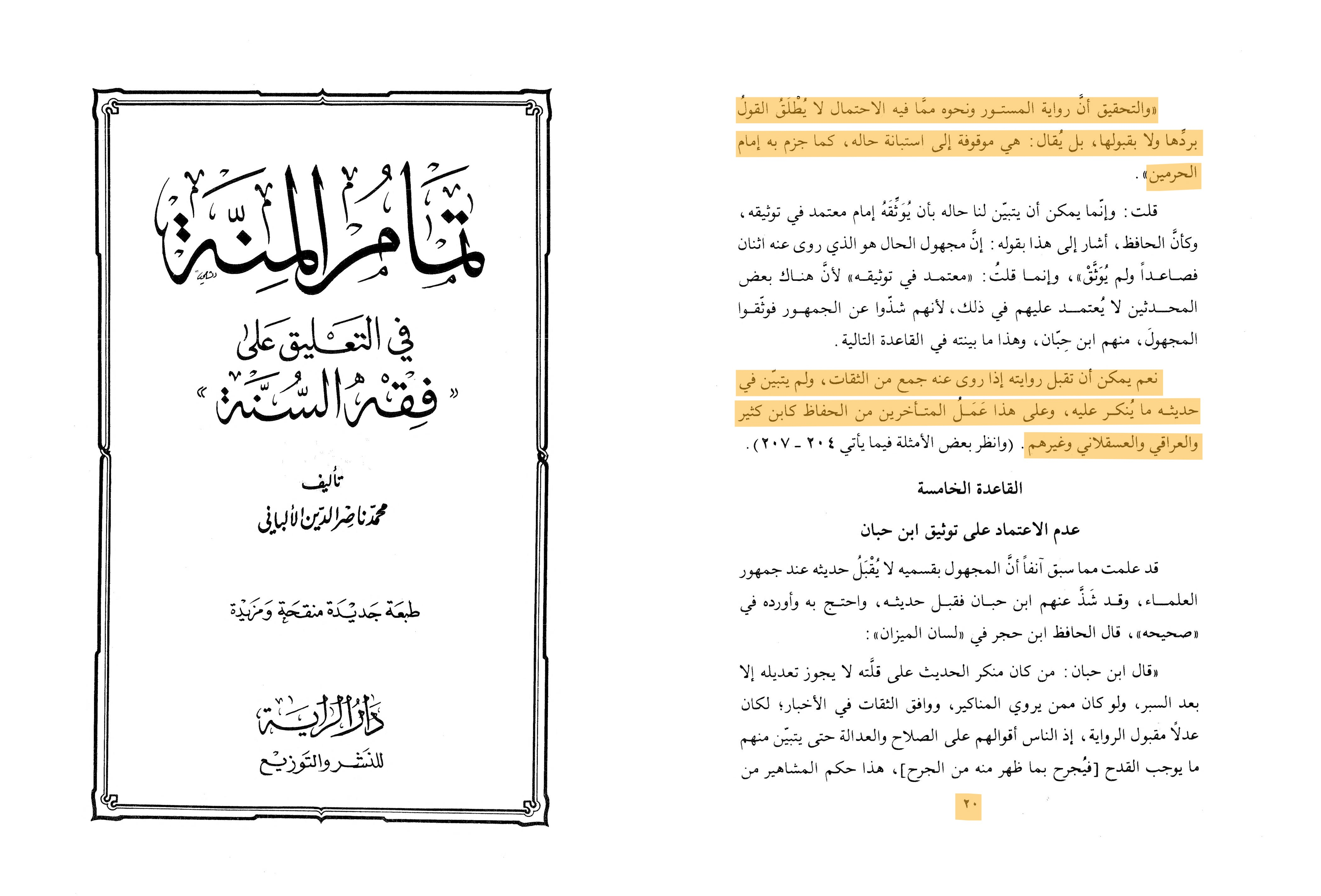
• Even the Shaykh of the Wahhabis, al-Albani, said we can not explicitly reject the Hadith of a Mastoor narrator, but if a Thiqah narrator transmits from him, then his narration can be accepted
• Nasr Ibn Ali al-Jahdami narrated from Ali Ibn Ja’far, and Nasr Ibn Ali is Thiqah and a preserver of Hadith, all six Imams of Sunni Hadith books narrated from him, including Bukhari & Muslim. Hence, this strengthens the status of Ali Ibn Ja’far
3) Abd al-Rahman Ibn Abi Haatim al-Raazi said :
سألت أبي عن رواية الثقات عن رجل غير ثقة مما يقويه؟ قال إذا كان معروفا بالضعف لم تقوه روايته عنه وإذا كان مجهولا نفعه رواية الثقة عنه.
I asked my father: If a Thiqah narrator transmits from someone who is not Thiqah, will it strengthen him?
He replied, ‘If the other narrator is weak, it will not strengthen him, but if he is Majhool, then a Thiqah narrator narrating from him will benefit him.’
~al-Jarh’ wa al-Ta’deel vol 2:36
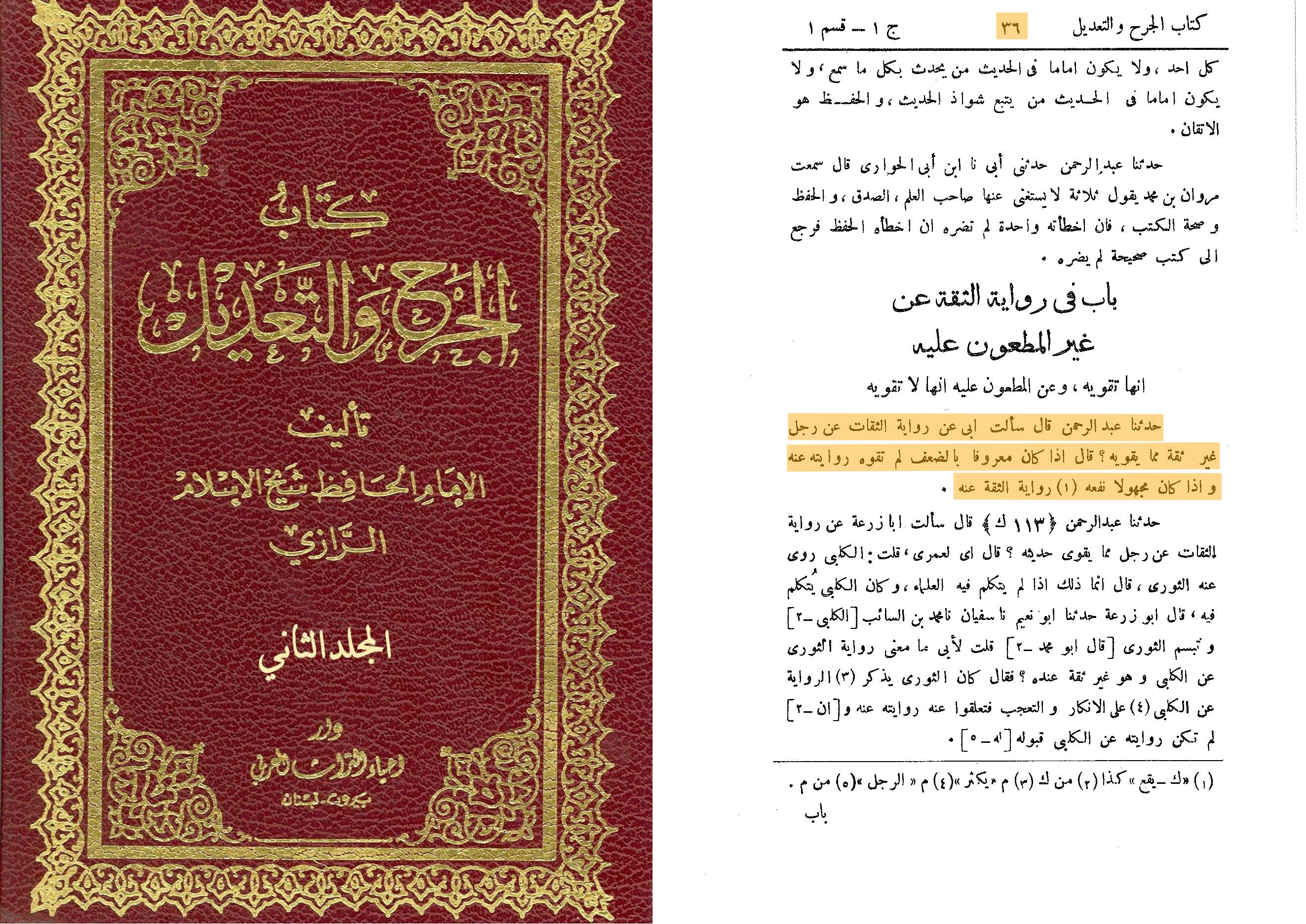
• Likewise, Abu Haatim al-Raazi concluded that a Thiqah narrator narrating from a Majhool narrator strengthens his status.
4) Mulla Ali al-Qaari wrote :
أَي المستور، جمَاعَة مِنْهُم أَبُو حنيفَة، بِغَيْر قيد… وَاخْتَارَ هَذَا القَوْل، ابْن حبَان تبعا للْإِمَام الْأَعْظَم؛
A group of scholars, including Abu Hanifa, accepted the narrations of the Mastoor narrators without any restrictions, and Ibn Hibban chose the same stance as Abu Hanifa.
~Sharh Nukhbat al-Fikr page 518
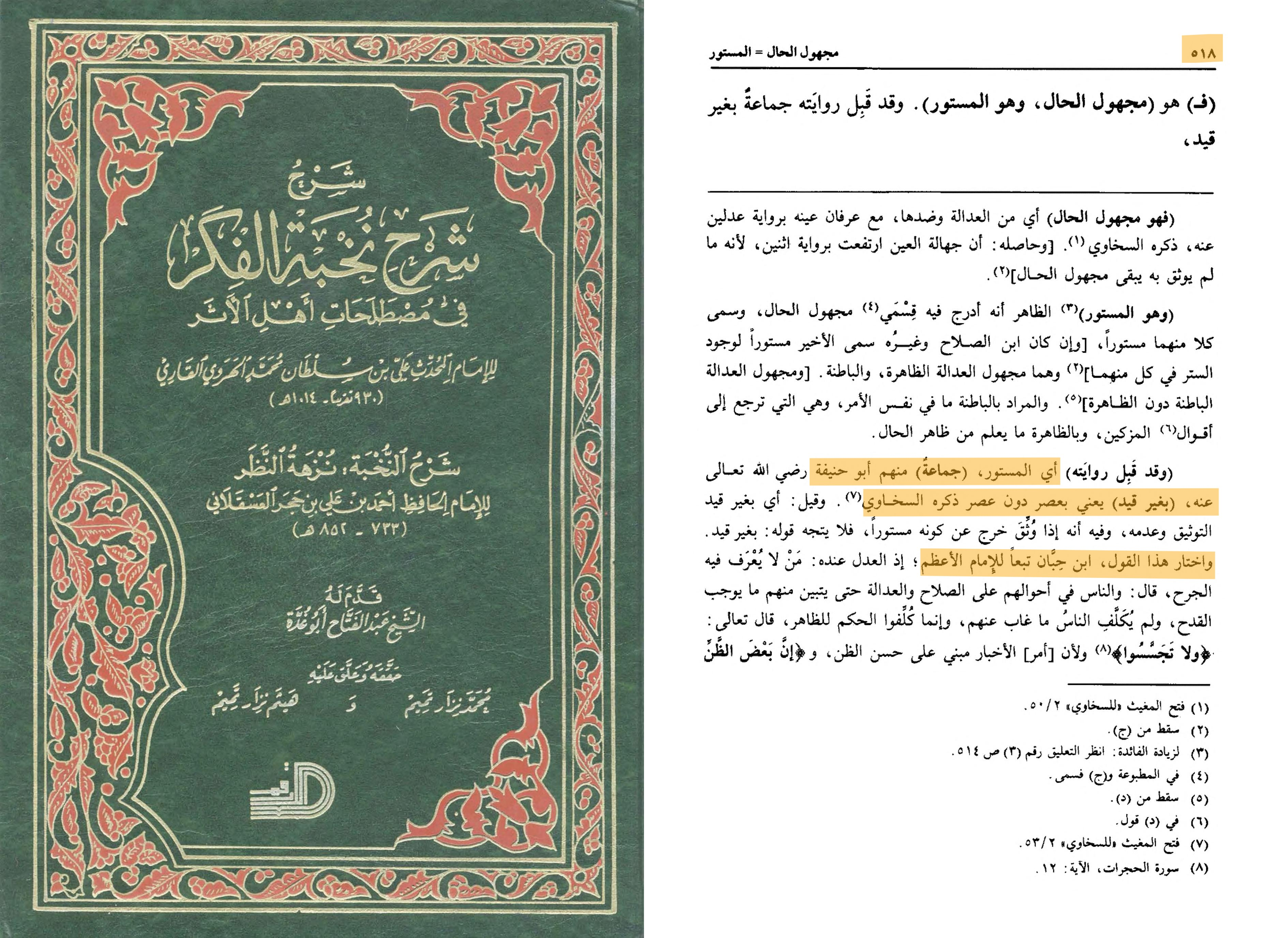
• Like the Shafi’i position, the Hanafi position is to accept the Mastoor narrators, and similarly is the case for al-Nawawi, al-Baghawi and other classical scholars of Hadith.
Thank you for reading!

